When to Consult a St. Louis Car Accident Lawyer: Navigating Missouri Comparative Fault and Insurance Claims
What to Do After a Car Accident in Missouri: Protecting Your Health, Your Rights, and Your Claim

A car accident can happen in seconds, but the consequences can last for months or even years. Between medical treatment, missed work, vehicle repairs, insurance calls, and uncertainty about who was at fault, it can quickly become overwhelming.
For drivers injured in St. Louis and throughout Missouri, understanding what to do immediately after a collision can make an important difference in protecting both your health and your ability to pursue compensation.
Missouri also follows a pure comparative fault system. That means the amount you may ultimately recover can be affected by the percentage of fault assigned to you.
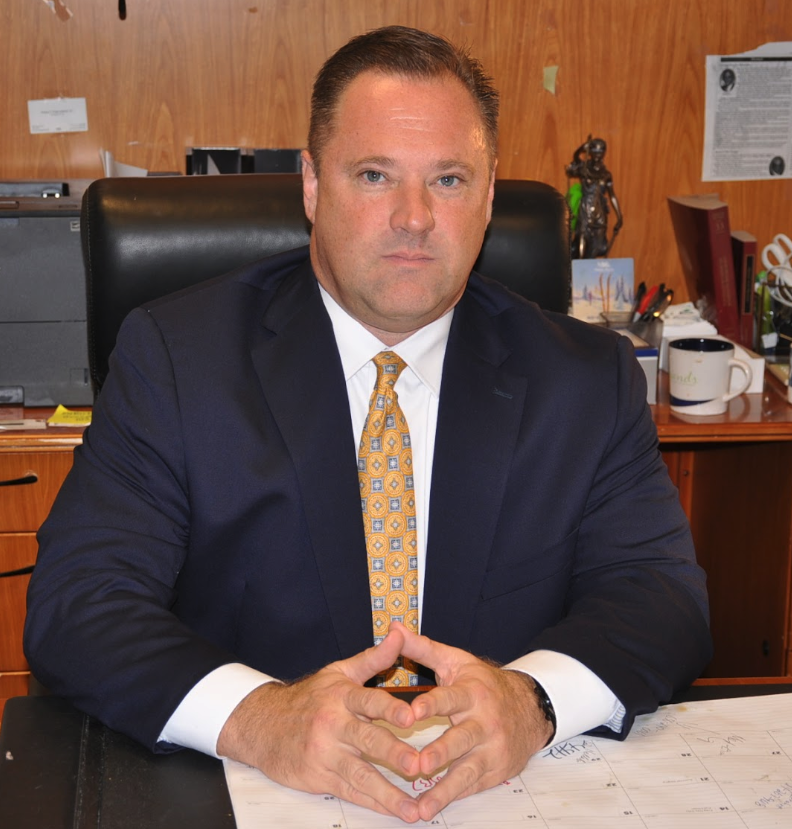
At Craig J. Concannon, P.C., we help injured individuals understand their options, deal with insurance companies, and determine the best path forward after a serious motor vehicle accident.
Key Takeaways for Missouri Car Accident Victims
You may still recover compensation even if you were partially at fault. Missouri uses a pure comparative fault system that generally reduces compensation according to the percentage of responsibility assigned to each party.
Evidence matters. Photographs, witness information, police reports, medical records, and other documentation can become critical when liability is disputed.
Do not ignore injuries that appear minor at first. Some accident-related symptoms may develop or worsen after the initial collision.
Be cautious when speaking with insurance companies. Statements made shortly after a crash may later be used when evaluating fault or the value of a claim.
Deadlines apply. Missouri law places time limits on filing personal injury claims, and certain claims involving governmental entities may have additional or shorter notice requirements.
How Fault Is Determined After a Missouri Car Accident
Accidents throughout the St. Louis area can involve complicated questions about who caused the crash.
Whether the collision occurs on Interstate 64, Interstate 55, Kingshighway Boulevard, Hampton Avenue, or a neighborhood street, insurance companies may look closely at the actions of every driver involved.
A typical negligence claim examines several basic questions:
Did the Other Driver Owe a Duty of Care?
Missouri drivers are expected to operate their vehicles safely and follow applicable traffic laws.
Did the Driver Fail to Meet That Duty?
A breach may involve conduct such as:
Speeding
Following too closely
Distracted driving
Failing to yield
Running a traffic signal
Unsafe lane changes
Driving while impaired
Did That Conduct Cause the Accident?
It is not enough to show that another driver made a mistake. The evidence must also connect that conduct to the collision and resulting injuries.
What Damages Resulted?
Damages may include medical expenses, lost income, pain and suffering, property damage, rehabilitation costs, and other losses depending upon the circumstances of the case.
Missouri's Pure Comparative Fault Rule
One of the most important concepts Missouri accident victims should understand is comparative fault.
Missouri generally allows an injured person to pursue compensation even when that person shares some responsibility for the accident.
However, the amount recovered may be reduced according to the injured person's percentage of fault.
For example, assume an injured driver has $100,000 in proven damages but is found to have been 20% responsible for the collision. Under comparative fault principles, the potential recovery could be reduced by that 20%.
This is one reason disputes over fault can become so important.
An insurance company may argue that an injured driver:
Was speeding
Failed to react quickly enough
Was distracted
Made an unsafe maneuver
Could have avoided the crash
Even a relatively small shift in the percentage of fault can affect the value of a significant injury claim.
What Should You Do Immediately After a Car Accident?
The actions taken immediately after a crash can help protect both your physical wellbeing and the evidence surrounding the collision.
1. Call Law Enforcement
Report the accident and request assistance when appropriate.
A police report can provide an important record of the collision, including information about the drivers, vehicles, location, witnesses, and circumstances surrounding the crash.
Avoid making informal roadside agreements when significant property damage or injuries may be involved.
2. Document the Accident Scene
If you can safely do so, take photographs or video before vehicles and debris are moved.
Consider documenting:
Damage to every vehicle involved
Vehicle positions
Skid marks
Broken glass or debris
Traffic signs and signals
Road conditions
Weather conditions
Nearby businesses or cameras
Visible injuries
Wide photographs showing the entire accident scene can be just as valuable as close-up photographs of vehicle damage.
3. Gather Witness Information
Independent witnesses can become especially important when drivers disagree about what happened.
Try to obtain the witness's:
Name
Telephone number
Email address
Basic description of what they observed
Do not assume law enforcement or an insurance company will always locate every witness later.
4. Seek Medical Attention
Your health comes first.
Some injuries are immediately obvious. Others may become noticeable hours or days after a collision.
Accident-related injuries can include:
Neck and back injuries
Concussions
Head injuries
Shoulder injuries
Knee injuries
Soft-tissue injuries
Disc injuries
Fractures
Seeking appropriate medical care also creates documentation showing when symptoms were first reported and how treatment progressed.
5. Keep Records of Your Expenses and Recovery
Maintain a dedicated file for documents related to the accident.
This may include:
Medical bills
Prescription expenses
Physical therapy records
Diagnostic testing
Wage-loss documentation
Vehicle repair estimates
Rental vehicle expenses
Transportation costs
Insurance correspondence
You may also want to keep notes describing how your injuries affect your work, sleep, family responsibilities, mobility, and everyday activities.
Be Careful When Speaking With Insurance Adjusters
Soon after an accident, you may receive calls from an insurance company requesting information or asking for a recorded statement.
Remember that the insurance company investigating the claim also has a financial interest in limiting what it ultimately pays.
Questions may focus on:
How fast you were driving
Whether you saw the other vehicle
Whether you could have avoided the collision
Whether you were distracted
Whether you were wearing a seat belt
How serious your injuries currently feel
Whether you had similar medical problems before the crash
Be especially careful about guessing.
If you do not know an answer, do not speculate about speeds, distances, timing, or the extent of your future recovery.
Should You Accept an Early Settlement Offer?
Insurance companies sometimes make settlement offers relatively soon after a crash.
An early offer may appear attractive when medical bills are accumulating and you are missing time from work.
The concern is that the full extent of an injury may not yet be known.
Before accepting a settlement, it is important to understand that resolving a claim generally involves signing a release that ends your ability to pursue additional compensation for that claim.
That can become a serious issue if additional treatment, rehabilitation, surgery, or long-term medical care is later required.
What Compensation May Be Available After a Car Accident?
Every case is different, but compensation in a Missouri personal injury claim may potentially include:
Past medical expenses
Future medical treatment
Lost wages
Loss of future earning capacity
Pain and suffering
Physical limitations
Permanent disability
Property damage
Other accident-related financial losses
The value of a claim depends on the facts of the collision, available insurance coverage, severity of the injuries, medical evidence, liability issues, and many other factors.
Different Types of Vehicle Accidents Require Different Investigations
Not every traffic collision should be handled in exactly the same way.
Commercial Truck Accidents
Truck accident claims may involve commercial carriers, drivers, maintenance companies, insurers, and other parties.
Important evidence can include driver logs, electronic vehicle information, inspection records, maintenance documentation, and company safety records.
Motorcycle Accidents
Motorcycle collisions frequently result in severe injuries and may involve disputes regarding visibility, speed, lane positioning, and right-of-way.
Pedestrian and Bicycle Accidents
These cases can involve questions about crosswalks, traffic signals, driver visibility, road design, and Missouri right-of-way laws.
Government and Public Transportation Accidents
Claims involving governmental agencies or public vehicles may be subject to special procedures and deadlines.
These cases should be evaluated promptly because the requirements may differ from those involved in a typical automobile insurance claim.
How Long Do You Have to File a Car Accident Claim in Missouri?
Missouri law provides deadlines for filing personal injury lawsuits.
Many Missouri personal injury claims are subject to a five-year statute of limitations, while wrongful death claims generally involve a shorter period.
However, the applicable deadline can vary depending on the circumstances, parties involved, age of the injured person, governmental involvement, and other legal considerations.
Waiting until the deadline approaches can also make a case more difficult to investigate because evidence may disappear, witnesses may become harder to locate, and video recordings may be deleted.
Speaking with an attorney earlier allows important evidence to be identified and preserved.
Frequently Asked Questions About Missouri Car Accidents
Can I recover compensation if I was partially responsible for the accident?
Potentially, yes. Missouri follows pure comparative fault principles. Your compensation may be reduced according to the percentage of responsibility assigned to you.
Should I talk to the other driver's insurance company?
You should be cautious when providing recorded statements or discussing fault, injuries, or settlement before fully understanding your situation.
What if my injuries did not appear until the next day?
Some injuries and symptoms are not immediately apparent. Seek appropriate medical care if you develop symptoms after an accident.
What if the other driver does not have insurance?
Missouri requires uninsured motorist coverage for bodily injury. Depending on your policy and the circumstances of the accident, uninsured or underinsured motorist coverage may become important.
What if the insurance company says the accident was partly my fault?
Fault is not determined simply because an insurance adjuster makes an allegation. Evidence from the accident scene, witnesses, vehicle damage, medical records, video, and other sources may help establish what actually occurred.
Speak With Craig J. Concannon, P.C. About Your Missouri Car Accident
Recovering from a serious accident can involve far more than repairing your vehicle.
You may be dealing with medical treatment, lost income, insurance companies, and uncertainty about what happens next.
Craig J. Concannon, P.C. represents individuals facing personal injury matters throughout the St. Louis metropolitan area and surrounding communities.
Our office can evaluate the circumstances of your accident, review available evidence and insurance coverage, and explain the options that may be available under Missouri law.
If you have been injured in a motor vehicle accident, contact Craig J. Concannon, P.C. to discuss your situation and determine the appropriate next steps.
Speak With an Experienced Missouri Bus Accident Attorney
After a serious bus accident, you shouldn't have to navigate the legal process alone. An experienced personal injury attorney can investigate the crash, identify all responsible parties, negotiate with insurance companies, and fight for the compensation you deserve.
If you or a loved one has been injured by a drunk driver in Missouri, contact Craig J. Concannon, P.C. for a free consultation to discuss your legal options.
Disclaimer: The information provided on this website is for general informational purposes only and does not constitute legal advice. Reading this information or contacting Craig J. Concannon, P.C. does not create an attorney-client relationship. Every case is different, and past results do not guarantee future outcomes. The choice of a lawyer is an important decision and should not be based solely upon advertisements.